

Fashion is about dressing appropriately for every occasion while expressing your personality. Whether you’re heading to a weekend brunch, an important business meeting, or a black-tie event, choosing the right clothing makes a lasting impression. Understanding the differences between casual, business, and formal wear helps you build a versatile wardrobe and ensures you’re always dressed with confidence.
In 2026, modern fashion emphasizes comfort, timeless design, and sustainability. Instead of following every trend, many people are investing in high-quality wardrobe essentials that can be styled for multiple occasions. This complete style guide explains the key elements of casual, business, and formal wear for both men and women, helping you create polished outfits for every part of your life.
Understanding Dress Codes
Every occasion has its own dress code. Wearing clothes that match the setting demonstrates confidence, professionalism, and respect. While fashion has become more relaxed in recent years, understanding the basics of each style category remains essential.
The three primary wardrobe categories include:
- Casual Wear
- Business Wear
- Formal Wear
Each serves a different purpose, and building a wardrobe around these categories allows you to dress appropriately for almost any event.
Casual Wear: Comfortable Yet Stylish
Casual wear is designed for comfort while maintaining a fashionable appearance. It is perfect for weekends, vacations, shopping, coffee dates, or spending time with friends.
Casual Clothing Essentials for Men
Every man should own these casual staples:
- Plain cotton T-shirts
- Polo shirts
- Slim-fit jeans
- Chino pants
- Hoodies
- Casual jackets
- White sneakers
- Loafers
- Baseball caps
Neutral colors such as white, navy, gray, black, and beige make mixing and matching easy.
Casual Clothing Essentials for Women
Women can build stylish casual outfits with:
- Basic T-shirts
- Oversized shirts
- Denim jeans
- Leggings
- Midi skirts
- Casual dresses
- White sneakers
- Flat sandals
- Denim jackets
Layering lightweight jackets or cardigans adds depth to simple outfits.
Casual Style Tips
- Choose comfortable, breathable fabrics like cotton and linen.
- Avoid clothing that is overly baggy or excessively tight.
- Keep accessories simple and practical.
- Invest in quality sneakers that complement multiple outfits.
- Focus on fit rather than flashy logos.
Casual fashion should feel effortless while still looking neat and well put together.
Business Wear: Professional and Polished
Business wear creates a professional image suitable for offices, meetings, interviews, and corporate events.
Although many workplaces have adopted business casual dress codes, classic business attire continues to convey authority and competence.
Business Wear for Men
A professional men’s wardrobe includes:
- Tailored suits
- Dress shirts
- Chinos
- Blazers
- Oxford shoes
- Leather belts
- Silk ties
- Dress watches
Navy, charcoal gray, black, and beige remain timeless business colors.
A well-tailored blazer paired with chinos offers an excellent business casual look.
Business Wear for Women
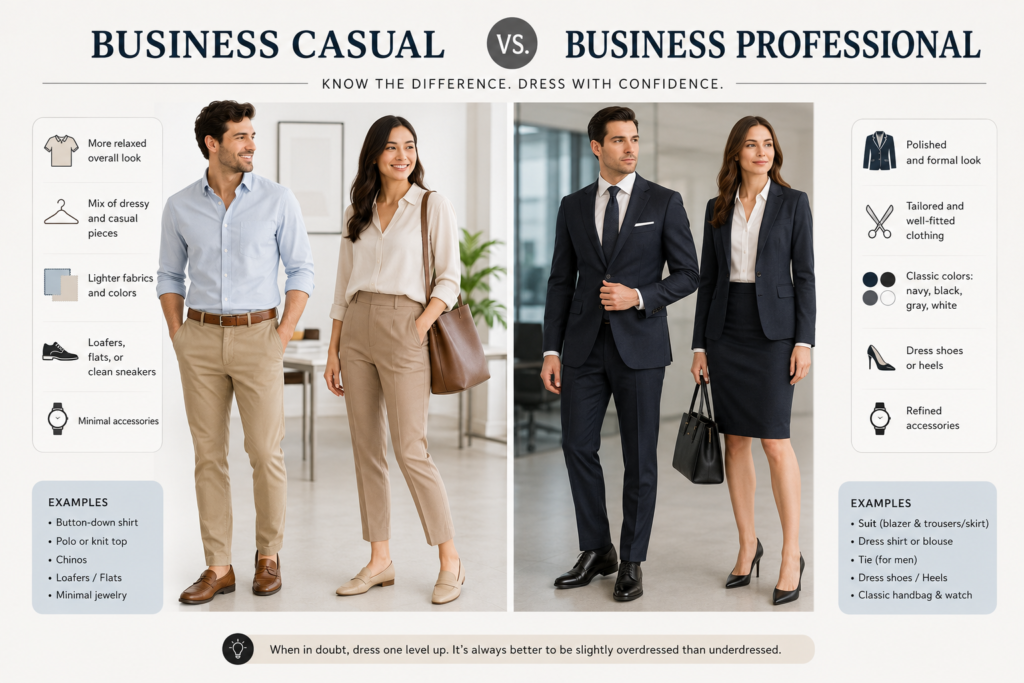
Professional wardrobe essentials include:
- Tailored blazers
- Pencil skirts
- Wide-leg trousers
- Button-down shirts
- Sheath dresses
- Closed-toe pumps
- Loafers
- Structured handbags
Neutral tones such as black, navy, ivory, gray, and camel create sophisticated office outfits.
Minimal jewelry and elegant accessories complete a polished appearance.
Business Casual vs. Business Professional
Many workplaces distinguish between business casual and business professional.
Business Casual
Examples include:
- Polo shirts
- Chinos
- Blouses
- Knit sweaters
- Loafers
- Smart dresses
Business casual allows more personality while maintaining professionalism.
Business Professional
Examples include:
- Matching suits
- Dress shirts
- Formal dresses
- Blazers
- Leather shoes
- Conservative accessories
Business professional attire is ideal for executive meetings, presentations, interviews, and client interactions.
Formal Wear: Dressing for Special Occasions
Formal wear represents the highest level of dress codes and is reserved for elegant events such as weddings, galas, award ceremonies, charity dinners, and black-tie celebrations.
Formal Wear for Men
Classic formal clothing includes:
- Tuxedos
- Black suits
- White dress shirts
- Bow ties
- Patent leather shoes
- Pocket squares
- Cufflinks
- Luxury watches
A properly fitted tuxedo never goes out of style.
Attention to tailoring is essential when wearing formal clothing.
Formal Wear for Women
Elegant formal options include:
- Evening gowns
- Cocktail dresses
- Satin dresses
- Floor-length gowns
- High heels
- Evening clutches
- Statement jewelry
- Silk shawls
Choosing elegant fabrics such as silk, satin, velvet, or chiffon creates a luxurious appearance.
Formal fashion emphasizes refined silhouettes rather than excessive decoration.
Essential Accessories for Every Dress Code
Accessories complete every outfit regardless of the occasion.
Casual Accessories
- Sneakers
- Baseball caps
- Crossbody bags
- Smartwatches
- Sunglasses
Business Accessories
- Leather briefcases
- Minimalist watches
- Structured handbags
- Leather belts
- Classic jewelry
Formal Accessories
- Luxury watches
- Cufflinks
- Evening clutches
- Pearl earrings
- Diamond or gold jewelry
Choosing accessories that complement your outfit rather than overpower it creates a balanced look.
Choosing the Right Fabrics
Fabric quality significantly affects both comfort and appearance.
For casual wear, prioritize:
- Cotton
- Linen
- Denim
- Jersey
For business attire:
- Wool
- Cotton blends
- Twill
- Stretch suiting
For formal occasions:
- Silk
- Satin
- Velvet
- Chiffon
- Fine wool
Higher-quality fabrics generally last longer and maintain their appearance after repeated wear.
Fashion Tips for Every Occasion
Regardless of the dress code, these styling principles always apply:
- Prioritize proper fit over expensive brands.
- Stick with timeless wardrobe staples.
- Invest in quality shoes.
- Coordinate colors carefully.
- Keep clothing clean and wrinkle-free.
- Avoid excessive accessories.
- Build a capsule wardrobe around versatile pieces.
- Choose comfort without sacrificing style.
Confidence is the most important element of any outfit.
Fashion Trends in 2026
Fashion in 2026 combines classic tailoring with modern comfort.
Popular trends include:
- Relaxed tailoring
- Neutral color palettes
- Sustainable fabrics
- Minimalist accessories
- Oversized blazers
- Wide-leg trousers
- Premium sneakers
- Quiet luxury
- Smart casual layering
- Eco-friendly fashion
Many people now prefer buying fewer, higher-quality pieces that can transition between casual, business, and formal settings.
Final Thoughts
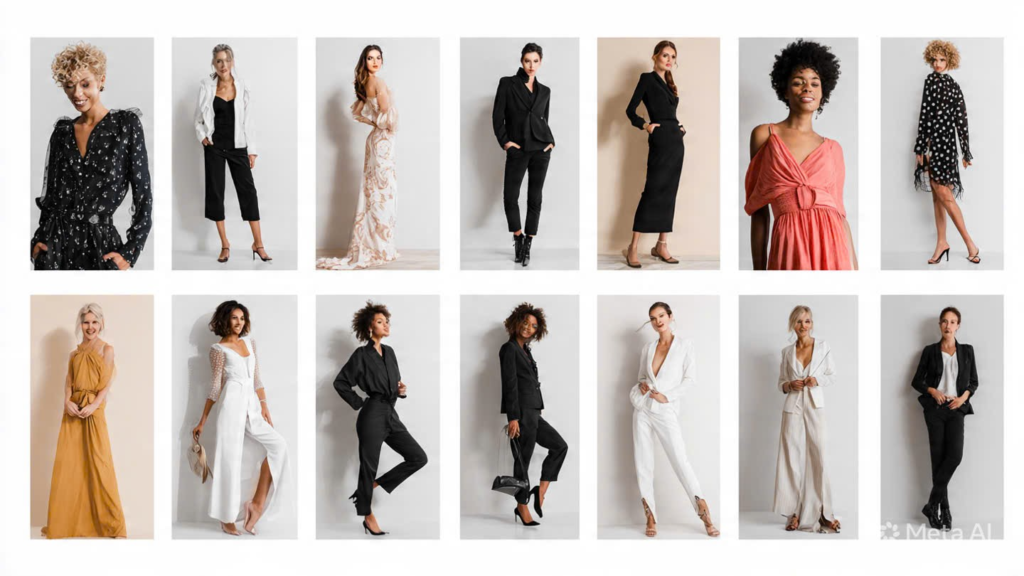
Understanding the differences between casual, business, and formal wear allows you to dress confidently for every occasion. Casual outfits prioritize comfort and personal style, business attire communicates professionalism, and formal wear showcases elegance and sophistication.
Rather than constantly purchasing trendy clothing, focus on building a wardrobe filled with timeless essentials that can be mixed and matched across different dress codes. Investing in quality fabrics, proper tailoring, and versatile accessories ensures you’ll always look polished, whether you’re relaxing on the weekend, attending an important meeting, or celebrating a special event.
Great style isn’t about owning the most expensive wardrobe—it’s about dressing appropriately, feeling comfortable, and expressing your personality with confidence.
#StyleGuide2026 #MensFashion #WomensFashion #BusinessStyle #FashionTips
