
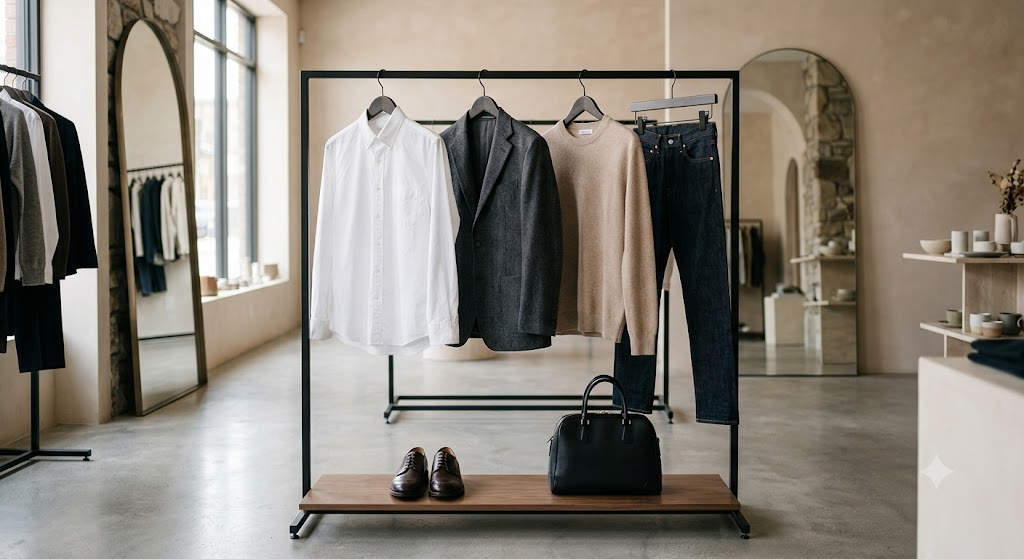
In today’s fast-paced fashion industry, it’s easy to be tempted by low prices and constantly changing trends. However, buying inexpensive clothing that wears out after only a few washes often costs more in the long run. Investing in high-quality garments not only saves money over time but also helps reduce waste and supports a more sustainable approach to fashion.
High-quality clothing isn’t necessarily the most expensive clothing. Instead, it’s about selecting well-made garments crafted from durable materials with excellent construction and timeless designs. Whether you’re shopping for everyday basics, business attire, or formal wear, knowing how to identify quality pieces can help you build a wardrobe that looks great and lasts for years.
This guide will teach you how to recognize high-quality clothing before making a purchase.
Why Quality Matters
Quality clothing offers several important advantages over cheaply made garments.
Some of the biggest benefits include:
- Greater durability
- Better comfort
- Improved fit
- Timeless appearance
- Lower cost per wear
- Less environmental impact
- Better resale value
Rather than replacing worn-out clothes every season, investing in durable pieces allows you to enjoy your wardrobe for many years.
Check the Fabric Composition
The fabric is one of the strongest indicators of clothing quality.
Natural fibers are generally more breathable, durable, and comfortable than low-quality synthetic materials.
Look for fabrics such as:
- Cotton
- Organic cotton
- Linen
- Wool
- Merino wool
- Cashmere
- Silk
- Hemp
Blended fabrics can also perform well when designed for stretch or wrinkle resistance.
Avoid garments made primarily from very thin polyester or low-grade synthetic fibers if durability is your priority.
Reading the care label before purchasing is one of the simplest ways to evaluate fabric quality.
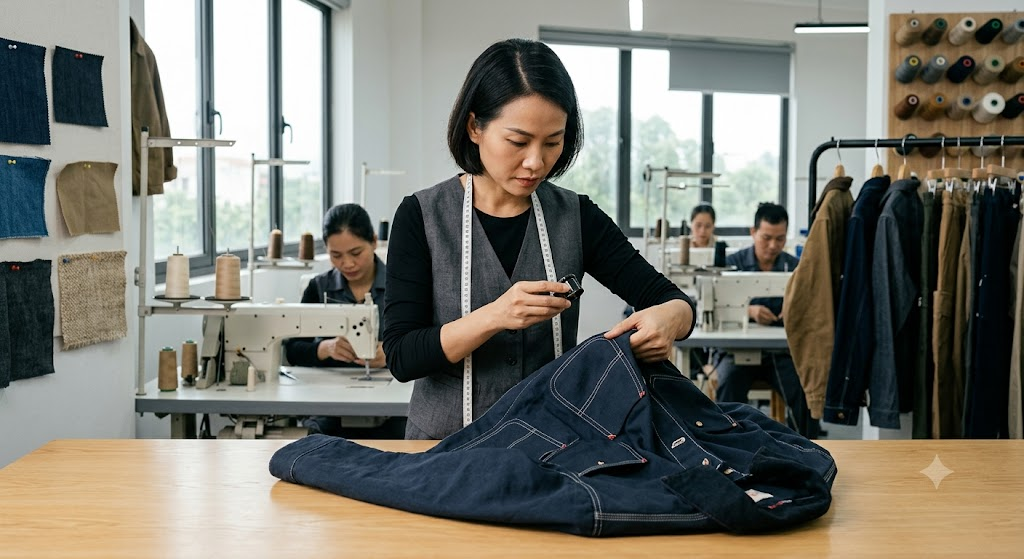
Inspect the Stitching

Well-made clothing has clean, even stitching.
Before buying, examine:
- Straight seams
- Tight stitches
- Reinforced stress points
- No loose threads
- Symmetrical construction
High-quality garments typically have more stitches per inch, making seams stronger and less likely to unravel over time.
Turn the garment inside out whenever possible to inspect the finishing details.
Feel the Fabric
Touch can reveal a great deal about quality.
Premium fabrics usually feel:
- Smooth
- Soft
- Dense
- Structured
- Comfortable
Thin fabrics that feel rough or overly stiff may wear out quickly after repeated washing.
Heavyweight cotton T-shirts, for example, generally maintain their shape much longer than ultra-thin alternatives.
Examine the Construction
Quality clothing is carefully assembled.
Pay attention to:
- Pattern alignment
- Matching stripes or plaid
- Secure buttons
- Reinforced pockets
- Properly attached zippers
- Smooth linings
If patterns fail to line up at the seams or buttons appear loose, the garment may have been manufactured with minimal quality control.
Excellent construction often distinguishes premium clothing from fast-fashion alternatives.
Evaluate the Fit
Even the highest-quality garment won’t look good if it doesn’t fit properly.
Look for clothing that:
- Fits comfortably across the shoulders
- Allows natural movement
- Doesn’t pull at seams
- Maintains clean lines
- Can be tailored if necessary
A slightly more expensive garment with an excellent fit often looks significantly better than a poorly fitting designer piece.
Test the Hardware
Buttons, zippers, and snaps should feel sturdy.
Check for:
- Metal zippers
- Secure buttons
- Strong buttonholes
- Smooth zipper operation
- Durable clasps
Cheap plastic hardware is often one of the first components to fail.
Premium brands usually invest in high-quality hardware that lasts for years.
Look at the Lining
Many jackets, coats, dresses, and blazers include interior linings.
A quality lining should:
- Feel smooth
- Lie flat
- Be securely stitched
- Allow comfortable movement
Fully lined garments generally maintain their shape better and provide greater comfort.
Choose Timeless Designs
Fashion trends come and go, but classic styles remain wearable for many years.
Consider investing in timeless pieces such as:
- White dress shirts
- Blue jeans
- Black trousers
- Tailored blazers
- Trench coats
- Cashmere sweaters
- Little black dresses
- Leather jackets
Classic clothing provides better long-term value because it rarely goes out of style.
Research the Brand
Some brands consistently produce higher-quality clothing than others.
Before making a purchase:
- Read customer reviews.
- Check fabric information.
- Learn about manufacturing practices.
- Research return policies.
- Compare quality across collections.
Remember that even premium brands occasionally produce lower-quality items, so always inspect the garment itself.
Understand Cost Per Wear
Instead of focusing only on the purchase price, consider how often you’ll wear the item.
For example:
A $150 wool coat worn 150 times costs only $1 per wear.
A $40 jacket that falls apart after 10 wears costs $4 per wear.
High-quality clothing often becomes the better financial investment over time.
Caring for High-Quality Clothing
Even the best garments require proper care.
To extend their lifespan:
- Wash clothes only when necessary.
- Follow care label instructions.
- Use cold water whenever possible.
- Air dry delicate fabrics.
- Store garments properly.
- Fold knitwear instead of hanging it.
- Rotate frequently worn clothing.
- Repair small damages early.
Good maintenance can double or even triple the lifespan of many garments.
Common Mistakes to Avoid
Many shoppers unknowingly purchase lower-quality clothing because they focus on appearance rather than construction.
Avoid these common mistakes:
- Buying solely because of discounts.
- Ignoring fabric labels.
- Choosing trendy pieces over versatile basics.
- Overlooking loose stitching.
- Purchasing clothing that doesn’t fit properly.
- Neglecting garment care.
Taking a few extra minutes to inspect clothing before buying can save significant money in the future.
Building a Long-Lasting Wardrobe
Instead of buying large quantities of inexpensive clothing, build a wardrobe around versatile essentials.
Start with:
- High-quality white T-shirts
- Dark denim jeans
- Tailored trousers
- Neutral sweaters
- Oxford shirts
- Leather shoes
- Comfortable sneakers
- A structured blazer
- A wool coat
- A timeless handbag
These pieces can be mixed and matched for casual, business, and formal occasions while remaining stylish year after year.
Final Thoughts
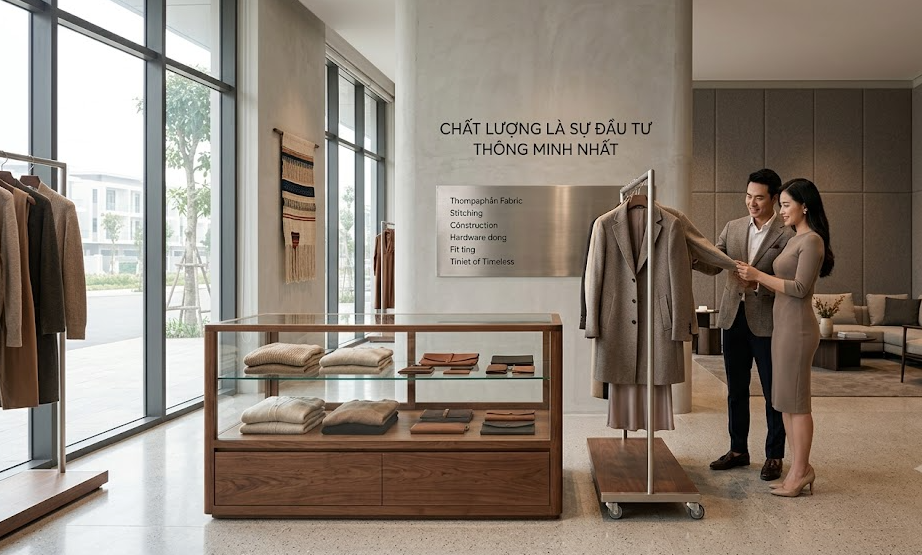
Choosing high-quality clothing is one of the smartest investments you can make for both your wardrobe and your budget. By paying attention to fabric composition, stitching, construction, hardware, fit, and timeless design, you can identify garments that offer exceptional durability and long-term value.
Rather than chasing every new fashion trend, focus on building a collection of well-made essentials that fit your lifestyle. High-quality clothing not only looks better and feels more comfortable but also reduces waste and encourages more mindful shopping habits.
Remember, true style isn’t measured by the number of clothes you own—it’s defined by choosing pieces that last, fit beautifully, and continue to look great season after season.
#QualityClothing #FashionTips #CapsuleWardrobe #SustainableFashion #StyleGuide
