
Looking stylish doesn’t have to mean spending a fortune. In 2026, smart shopping is all about making thoughtful purchases, choosing versatile clothing, and investing in quality pieces that stand the test of time. With countless fashion brands, online retailers, and seasonal sales available, it’s easier than ever to build a fashionable wardrobe without exceeding your budget.
The secret to dressing well isn’t buying more clothes—it’s buying the right clothes. By understanding your personal style, planning your purchases, and shopping strategically, you can create outfits that look polished while keeping your finances under control.
In this guide, you’ll discover practical fashion shopping tips that help you save money while always looking your best.
1. Build a Capsule Wardrobe
One of the smartest ways to reduce clothing expenses is by creating a capsule wardrobe.
A capsule wardrobe consists of versatile, timeless pieces that can be mixed and matched to create dozens of outfits.
Essential items include:
- White T-shirts
- Oxford shirts
- Dark jeans
- Black trousers
- Neutral blazers
- Denim jackets
- White sneakers
- Leather loafers
- Simple dresses
- Lightweight sweaters
Neutral colors such as black, white, navy, gray, beige, and olive make coordinating outfits much easier.
Instead of owning 100 rarely worn pieces, aim for 30–50 high-quality essentials that work together seamlessly.
2. Always Shop with a List
Impulse purchases are one of the biggest reasons people overspend on clothing.
Before shopping, create a list of items your wardrobe actually needs.
Ask yourself:
- Do I already own something similar?
- Can I wear this in multiple seasons?
- Will it match at least three existing outfits?
- Is this replacing an old item or simply adding clutter?
Shopping with a clear plan keeps your wardrobe organized and your budget under control.
3. Buy Quality Instead of Quantity
A $100 jacket worn 100 times offers better value than a $30 jacket that falls apart after a few months.
Look for garments made from durable materials such as:
- Cotton
- Linen
- Wool
- Merino wool
- Cashmere
- Leather
Inspect stitching, buttons, zippers, and fabric quality before making a purchase.
High-quality clothing often lasts several years, reducing the need for frequent replacements.
4. Take Advantage of Seasonal Sale

Patience can save you a significant amount of money.
Many retailers offer major discounts during:
- End-of-season sales
- Black Friday
- Cyber Monday
- Holiday promotions
- Mid-year clearance events
Shopping for winter coats in spring or summer clothing in autumn often results in the biggest savings.
Planning ahead allows you to purchase premium items at a fraction of their original price.
5. Compare Prices Before Buying
Never buy the first item you see.
Before completing a purchase:
- Compare prices across different retailers.
- Check for discount codes.
- Look for cashback offers.
- Sign up for store newsletters.
- Monitor price drops.
Even spending just a few extra minutes researching can lead to substantial savings.
6. Invest in Timeless Fashion
Fashion trends change quickly, but classic styles remain fashionable year after year.
Consider investing in timeless wardrobe staples such as:
- White shirts
- Tailored blazers
- Dark denim
- Trench coats
- Black dresses
- Leather handbags
- Minimalist sneakers
Classic clothing provides greater cost-per-wear because it rarely goes out of style.
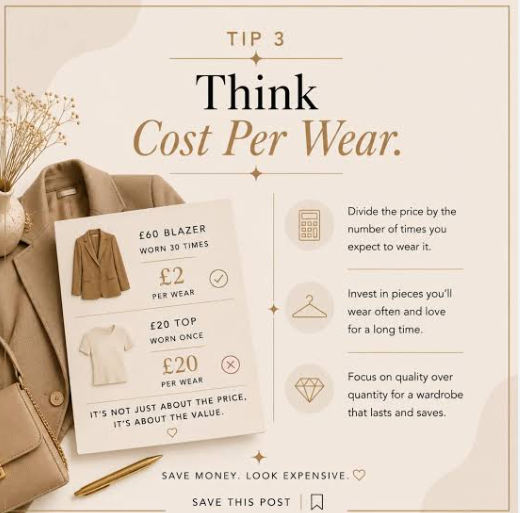
7. Understand Cost Per Wear
Instead of focusing only on the purchase price, think about how often you’ll actually wear an item.
For example:
- A $150 coat worn 150 times costs only $1 per wear.
- A $40 trendy jacket worn 10 times costs $4 per wear.
Choosing durable, versatile clothing often saves money over the long term.
8. Shop Second-Hand and Vintage
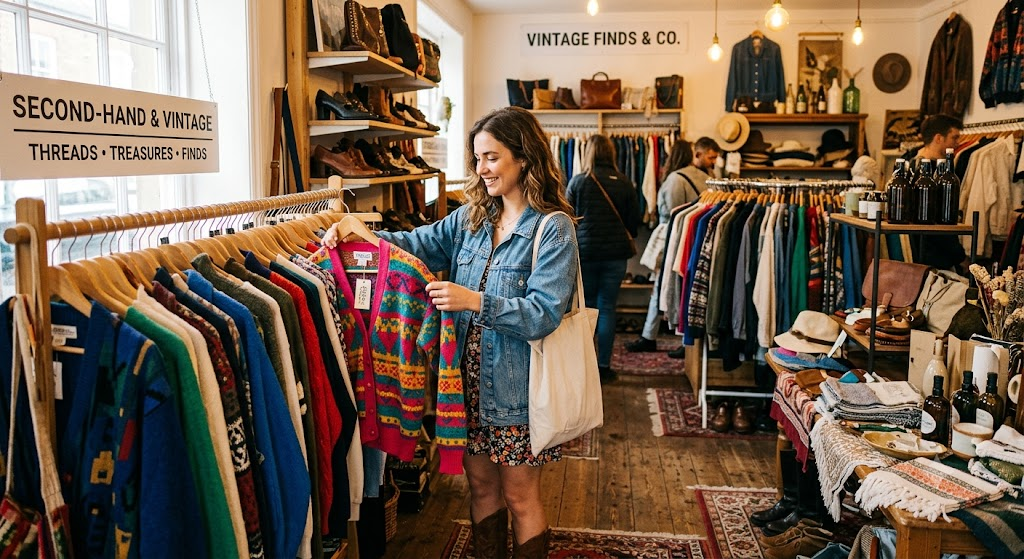
Second-hand shopping has become increasingly popular thanks to its affordability and sustainability.
You can often find:
- Designer handbags
- Premium denim
- Leather jackets
- Vintage dresses
- Luxury accessories
- Quality shoes
Many pre-owned items remain in excellent condition while costing significantly less than buying new.
Shopping second-hand also helps reduce textile waste and supports sustainable fashion.
9. Care for Your Clothing Properly
Saving money isn’t only about buying wisely—it’s also about maintaining what you already own.
Extend the lifespan of your wardrobe by:
- Washing clothes in cold water.
- Following care labels.
- Air drying delicate fabrics.
- Storing garments correctly.
- Repairing loose buttons immediately.
- Using quality hangers.
Well-maintained clothing continues to look new for much longer.
10. Accessorize Instead of Replacing
Accessories can completely transform an outfit without requiring new clothing.
Affordable accessories include:
- Watches
- Scarves
- Belts
- Sunglasses
- Jewelry
- Handbags
- Hats
Changing your accessories allows the same outfit to look fresh and stylish for different occasions.
This approach helps maximize your wardrobe while minimizing unnecessary spending.
Avoid Common Shopping Mistakes
Many shoppers waste money by making avoidable purchasing decisions.
Try to avoid:
- Buying clothes that don’t fit properly.
- Purchasing only because of discounts.
- Following every fashion trend.
- Ignoring fabric quality.
- Shopping emotionally.
- Forgetting to check return policies.
Being intentional with every purchase leads to a more functional wardrobe and fewer regrets.
Smart Online Shopping Tips
Online shopping offers convenience, but it also requires careful planning.
Before ordering:
- Read customer reviews.
- Check the size guide.
- Review fabric composition.
- Examine product photos closely.
- Understand the return policy.
- Compare measurements rather than relying on size labels.
These simple steps reduce the likelihood of disappointing purchases.
Fashion on Any Budget
No matter your budget, you can dress well by prioritizing essentials.
Budget-Friendly Wardrobe
Focus on:
- Neutral basics
- Quality jeans
- White sneakers
- Cotton T-shirts
- Versatile jackets
Mid-Range Budget
Add:
- Wool coats
- Leather shoes
- Tailored blazers
- Premium knitwear
- Structured handbags
Premium Budget
Invest in:
- Cashmere sweaters
- Designer handbags
- High-quality leather boots
- Luxury watches
- Custom tailoring
The goal isn’t owning expensive clothes—it’s creating a wardrobe that reflects your lifestyle and personal style.
Fashion Trends in 2026
Today’s fashion emphasizes value, sustainability, and versatility.
Popular shopping trends include:
- Capsule wardrobes
- Quiet luxury
- Sustainable fashion
- Neutral color palettes
- Oversized tailoring
- Premium basics
- Vintage shopping
- Minimalist accessories
- Investment pieces
- High-quality footwear
Consumers are increasingly choosing fewer, better-made garments instead of constantly purchasing fast fashion.
Final Thoughts
Looking your best doesn’t require an unlimited budget. By shopping strategically, investing in timeless essentials, taking advantage of seasonal sales, and properly caring for your clothing, you can build a stylish wardrobe while saving money.
Remember that fashion is about confidence, not price tags. A well-fitted white shirt, quality jeans, clean sneakers, and carefully chosen accessories often create a stronger impression than an expensive outfit filled with short-lived trends.
With thoughtful planning and smart shopping habits, you can enjoy great style, reduce unnecessary spending, and build a wardrobe that serves you well for years to come.
#FashionShopping #BudgetFashion #StyleOnABudget #FashionTips #SmartShopping
